
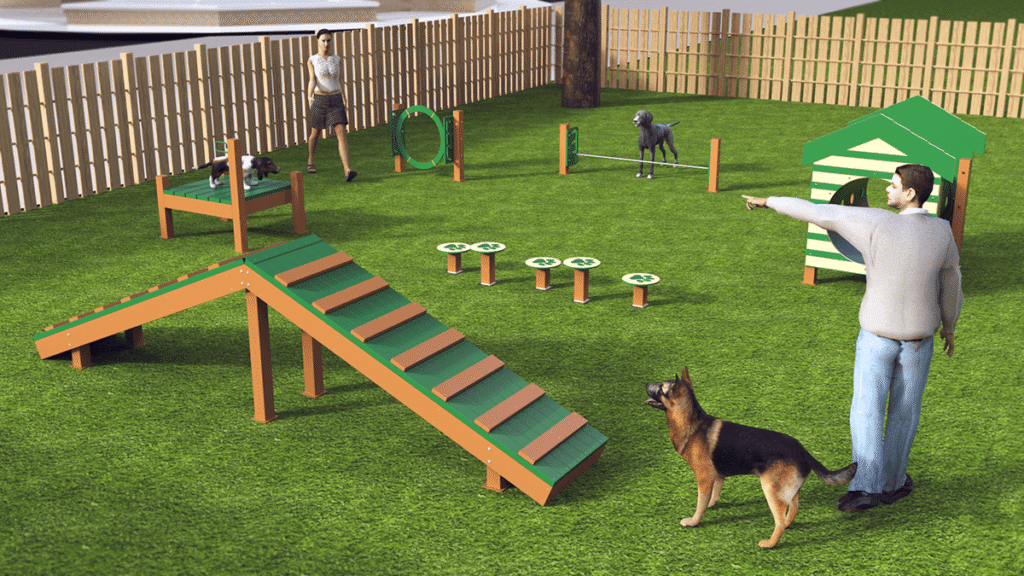
Modern technology has changed the way we care for and raise animals. Today, smart devices and AI-based tools are supporting behavior training for pets, helping owners teach obedience, reduce unwanted habits, and encourage healthier routines. Behavior training is no longer limited to professional trainers or lengthy manual methods.
With the rise of apps, gadgets, and automated systems, pet owners now have innovative options that simplify and accelerate the learning process. By integrating training for pets into smart home environments, owners can ensure consistent and positive reinforcement while strengthening the human–animal bond.
How to Define a Pet’s Behavior?
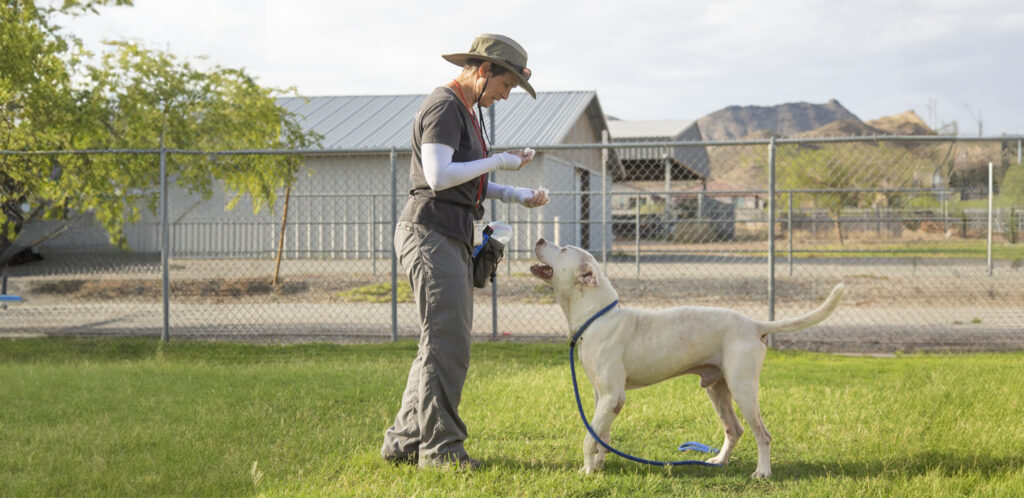
Understanding pet behavior is the first step in successful training. Behavior refers to the set of actions, reactions, and habits an animal develops in response to its environment, humans, or other animals. Some behaviors are instinctual—such as barking, scratching, or chewing—while others are learned through interaction and repetition.
Defining behavior involves observing patterns: how often they repeat, what triggers them, and the outcomes they create. For example, excessive barking when left alone might indicate separation anxiety, while destructive chewing may reflect boredom. By identifying and defining these patterns, owners can create personalized behavior training strategies.
Five Tips to Train a Pet Correctly
Successful training for pets relies on patience, consistency, and positive reinforcement. Here are five key tips:
- Use Rewards: Treats, praise, or playtime reinforce good behavior.
- Stay Consistent: Repetition and predictable commands reduce confusion.
- Keep Sessions Short: Focused training works better than long, exhausting lessons.
- Avoid Punishment: Fear-based methods harm trust and worsen pet behavior.
- Socialize Early: Exposure to people, animals, and environments builds confidence.
These practices make behavior training for pets smoother and more effective.
Five Products to Improve Pet Training
The market now offers innovative products designed to support behavior training. Popular examples include:
- Clickers: Provide clear, consistent sound cues for marking good behavior.
- Smart Collars: Track movement, barking, or activity to assist in training.
- Interactive Toys: Stimulate mental engagement while curbing destructive habits.
- Training Mats: Deliver mild vibrations or sounds to discourage bad habits.
- Automatic Treat Dispensers: Reward positive behavior even when owners aren’t home.
Each of these tools supports training for pets by blending traditional methods with modern automation.
Is It Necessary to Hire a Professional Pet Trainer?
While professional trainers bring valuable expertise, it isn’t always mandatory to hire one. Many pet owners succeed with DIY methods, especially when supported by modern gadgets and apps. However, for severe behavior issues—like aggression, trauma-related anxiety, or advanced obedience—professional guidance may be essential.
Technology now bridges the gap. Automated systems and apps guide owners step by step, providing strategies that replicate professional methods. For many households, combining automatic behavior training for pets with occasional professional advice creates the perfect balance.
Five Apps That Helps Training for Pets
Digital tools are making behavior training for pets more accessible. Here are five top-rated apps:
- Puppr: Step-by-step tutorials with video demonstrations.
- Dogo: Features daily lessons and progress tracking.
- GoodPup: Provides live video sessions with trainers.
- Pet First Aid by Red Cross: Helps understand health-related behaviors.
- TrainAway: Focused on separation anxiety training.
These apps make training for pets convenient, interactive, and personalized.
Training Routines to Improve a Pet’s Habits at Home
Consistency is vital when developing healthy routines. Start by setting specific times for feeding, exercise, and training. Incorporate short sessions of 10–15 minutes twice daily to focus on basic commands like sit, stay, or leave it. Use automated treat dispensers to reinforce good pet behavior even when you’re busy.
Building predictable patterns helps pets feel secure and reduces stress. For example, scheduled walks for dogs or daily play sessions for cats channel energy into positive outlets. These routines form the backbone of successful behavior training for pets.
How Can Artificial Intelligence Help Me in Training for Pets?
AI is revolutionizing behavior training with adaptive tools. Smart collars with AI analyze barking or movement patterns, offering insights into stress or excitement levels. Cameras equipped with AI can distinguish between good and bad behaviors, automatically rewarding pets or sending alerts to owners.
AI-driven apps also personalize training for pets by analyzing progress and adjusting lesson difficulty. This intelligent feedback system reduces mistakes, accelerates learning, and provides constant support, even when owners lack experience.
What Other Technologies Are Used in Training for Pets?
Beyond AI and apps, several technologies support modern behavior training for pets:
- Wearable Sensors: Monitor heart rate and stress levels.
- Virtual Reality Tools: Simulate environments for desensitization training.
- Voice Command Devices: Integrate with Alexa or Siri to control treat dispensers.
- Smart Laser Toys: Engage cats in structured play routines.
- Remote Training Collars: Offer vibration or sound cues controlled by smartphone.
These innovations make training for pets more effective, enjoyable, and accessible for owners of all experience levels.
The combination of technology and tradition is reshaping how owners approach behavior training for pets. By defining behaviors, applying consistent routines, and leveraging gadgets, apps, and AI, pet owners can create structured environments that encourage positive habits. Whether through automatic treat dispensers, clickers, or smart collars, today’s systems for training pets provide efficiency and support.
Professional trainers remain valuable for complex issues, but automated solutions offer affordable, everyday alternatives. As technology continues to evolve, behavior training will become more intelligent, interactive, and tailored—ensuring happier pets and more confident owners.