
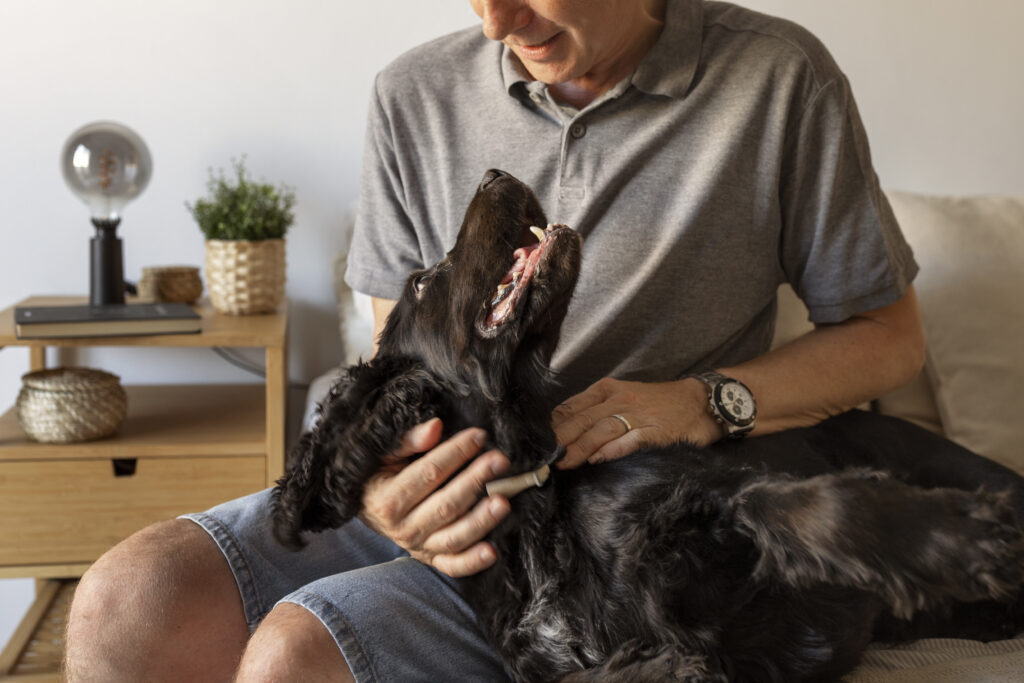
Maintaining the indoor health care for pets is essential for their happiness, longevity, and quality of life. Pets spend most of their time indoors, which means their well-being depends on the environment, hygiene, and preventive care provided by their owners.
Whether you own a cat, dog, bird, rodent, or fish, establishing a consistent health care for pets routine inside your home can prevent many common illnesses and behavioral issues.
With the rise of smart technology, indoor health for pets is now easier to manage through automated systems, tracking tools, and wellness gadgets.
What Should We Consider for Indoor Pet Health Care?
When focusing on indoor health care for pets, several factors must be taken into account: nutrition, hygiene, air quality, activity, and emotional balance. Pets living indoors can be exposed to dust, allergens, or lack of exercise if not monitored properly.
- Ensure good ventilation and safe indoor temperature.
- Maintain a regular cleaning schedule for litter boxes, cages, or aquariums.
- Offer a balanced diet suitable for your pet’s species.
- Encourage daily playtime to prevent stress and obesity.
Proper health care for pets begins with observation. Detecting unusual behaviors early—such as loss of appetite, lethargy, or excessive grooming—can prevent more serious conditions.
Advantages of Automated Health Care Systems for Pets

Technology has made indoor health care for pets more efficient and convenient. Automated systems help owners manage routines, monitor health data, and maintain ideal living conditions. Some key benefits include:
- Continuous monitoring: Smart collars track activity and vital signs.
- Feeding automation: Smart feeders prevent overfeeding or missed meals.
- Environmental control: Air purifiers and smart thermostats maintain optimal indoor environments.
- Health reminders: Apps notify owners of vet visits, vaccines, or medication schedules.
With automated indoor systems for pets, owners can ensure consistent care, even when away from home.
Types of Automated Indoor Health Care Systems for Pets
Different indoor systems for pets are designed to address specific health needs:
- Smart feeders and water dispensers – automate feeding schedules and hydration.
- Health monitoring wearables – track heart rate, activity, and temperature.
- Automatic litter boxes – maintain hygiene and prevent bacterial buildup.
- Climate control systems – regulate temperature and humidity for sensitive pets.
- Automated cleaning systems – keep cages and play zones free of dirt and odors.
These automated indoor systems for pets reduce manual labor while promoting hygiene and balanced health.
How These Systems Make Life Easier for Pet Owners
Owning a pet requires time, attention, and consistency. Automated systems simplify many daily tasks and ensure your pet’s well-being without constant supervision. For example:
- Smart cameras allow remote observation from your phone.
- Health monitoring apps provide reports on activity and sleep.
- Interactive toys engage pets, reducing anxiety when owners are out.
- Auto-feeders and litter boxes save time and reduce unpleasant chores.
The integration of indoor accessories and smart home devices creates a seamless environment where health care for pets becomes both efficient and stress-free.
Common Indoor Health Care Practices You Can Do at Home Without a Veterinarian
While professional veterinary visits are essential, there are many preventive indoor health for pets measures you can take at home:
- Regular brushing and coat inspections to prevent parasites.
- Dental care using safe toothpaste for pets.
- Ear cleaning and nail trimming.
- Maintaining proper hydration by checking water sources daily.
- Monitoring behavior changes, as they can signal early illness.
Consistent home care strengthens the pet-owner bond and contributes to long-term wellness. However, always consult a veterinarian if symptoms persist.
Three Automated Recreational Activities to Reduce Stress Indoors
Mental health is a vital part of indoor health care for pets. Boredom and lack of stimulation can cause anxiety, especially for animals kept indoors. Here are three automated activities that help reduce stress:
- Interactive laser toys for cats and dogs: These devices create random light movements to keep pets active and entertained.
- Motion-sensing treat dispensers: They reward positive behavior and encourage exercise.
- AI-driven play robots: These move autonomously, responding to your pet’s movements and sounds.
Such automated indoor systems for pets ensure consistent playtime, even when owners are not around.
Differences in Indoor Health Care Between Cats, Dogs, Rodents, Fish, and Birds
Each species has unique needs when it comes to indoor health care for pets:
- Cats: Require stimulation through climbing spaces, scratching posts, and clean litter areas. Indoor air quality and diet variety are vital.
- Dogs: Need regular exercise, even indoors. Mental engagement toys and training routines help prevent destructive behavior.
- Rodents: Thrive in clean, ventilated cages with tunnels and chew toys to prevent dental issues.
- Fish: Depend on stable water temperature, oxygenation, and pH balance.
- Birds: Need space for flying, balanced diet with seeds and fruits, and interaction to prevent loneliness.
Understanding these differences ensures that indoor health for pets is customized and effective.
Creating a safe, clean, and stimulating environment at home is key to maintaining excellent indoor health care for pets. With modern technology and automated indoor systems for pets, owners can now ensure optimal comfort, hygiene, and well-being for every animal species.
Combining smart devices with traditional care practices—like grooming, exercise, and observation—provides a complete health care routine that supports longevity and happiness. Whether you live in a small apartment or a large home, the right combination of indoor accessories and preventive care will help your pets thrive in every way.