
In recent years, reptiles have become increasingly popular as household pets. Choosing domesticated reptiles offers a fascinating alternative to traditional animals like cats or dogs. Their unique appearance, calm nature, and relatively low-maintenance requirements make them attractive companions for both beginners and experienced pet enthusiasts.
While many people wonder if it is practical to have reptil as a pet, the truth is that with the right knowledge, care, and environment, reptiles can thrive indoors. From harmless geckos to impressive iguanas, and even exotic reptiles, these creatures can adapt well to domestic life when provided with suitable conditions.
Advantages and Disadvantages of Having a Reptile as a Pet
One of the greatest advantages of have a reptile as a pet is their low noise level. Unlike dogs or birds, reptiles are silent companions. They also require less interaction, making them ideal for people with busy lifestyles. Many species eat less frequently, reducing the daily workload. Their exotic appearance also makes them unique pets, admired for their beauty and calm demeanor.
However, reptiles do come with challenges. They are sensitive to environmental changes and often require specific heating, lighting, and humidity conditions. Some species have strict dietary needs, while others can live for decades, requiring a long-term commitment. Additionally, while some domesticated reptiles tolerate handling, most do not enjoy excessive physical interaction. Owners must respect their natural behavior to maintain a stress-free environment.
Essential Treatments and Care for a Domesticated Reptile at Home
Proper care is crucial for keeping reptiles healthy. Unlike traditional pets, reptiles rely heavily on external conditions. Temperature, humidity, and lighting must be carefully regulated to mimic their natural habitats. UVB lighting, for example, is essential for many reptiles to synthesize vitamin D3 and absorb calcium properly.
Routine veterinary checkups are also important. Reptiles are experts at hiding illness, so owners must monitor eating habits, shedding patterns, and activity levels. Clean enclosures prevent bacterial growth and parasites, while fresh water should always be available.
Incorporating proper care ensures that having a domesticated reptile in home remains both rewarding and sustainable, helping the animal thrive in a domestic environment.
Space and Habitat Requirements for Domesticated Reptiles
Unlike dogs or cats, reptiles cannot roam freely at home. They require enclosures designed to replicate their natural environment. The size of the habitat depends on the species: a gecko may thrive in a small terrarium, while an iguana needs a large, vertical enclosure.
Habitat requirements include heating elements, UV lighting, and humidity regulation. For desert species like bearded dragons, a dry, warm environment is essential, while tropical reptiles like chameleons require higher humidity levels and climbing structures. Proper substrates, hiding places, and enrichment items also reduce stress and encourage natural behaviors.
Providing suitable habitats ensures the well-being of reptiles at home and makes them easier to manage at home.
What Foods Should I Give My Domesticated Reptile?
Diet varies significantly depending on the reptile species. Herbivorous reptiles such as iguanas thrive on leafy greens, vegetables, and occasional fruits. Insectivores like geckos and anoles require live insects such as crickets, mealworms, or roaches. Carnivorous reptiles like some snakes eat appropriately sized rodents.
It is vital to provide a balanced diet with proper supplementation. Calcium and vitamin powders are often added to insect feeders to prevent deficiencies. Fresh water should always be available, even for desert reptiles.
Understanding dietary needs is essential for responsible ownership. A well-fed reptile is healthier, more active, and better adapted to domestic life, making having a reptile as a pet a rewarding experience.
Most Common Types of Reptiles That Can Be Domesticated
Many species of reptiles for having a pet are beginner-friendly and thrive in home environments. Popular examples include:
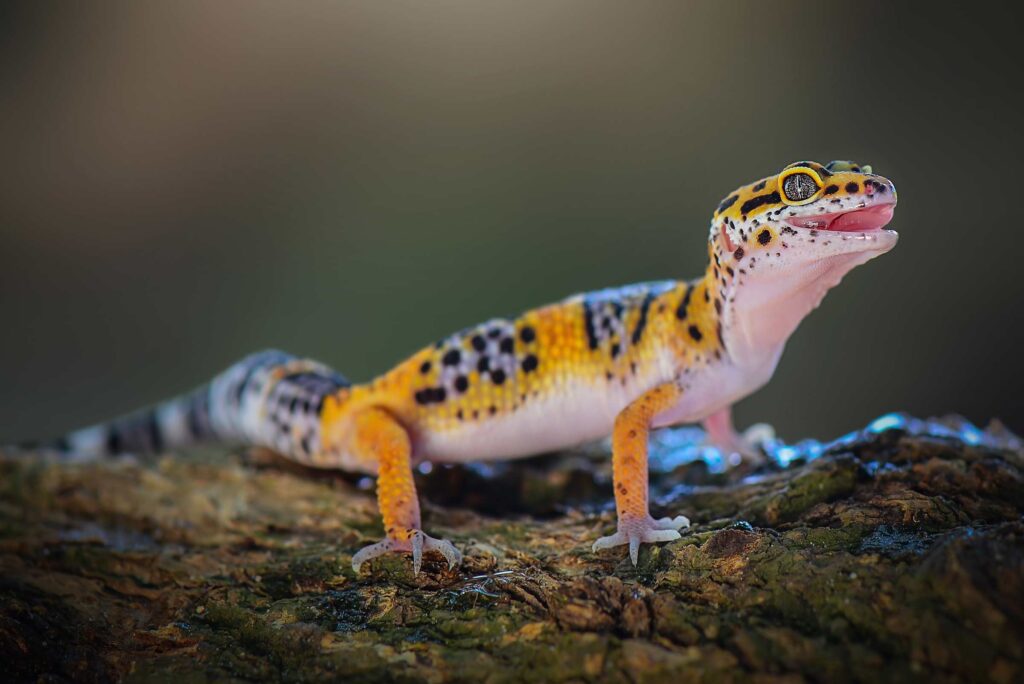
- Leopard Gecko – docile, easy to care for, ideal for beginners.
- Bearded Dragon – friendly, interactive, and adaptable.
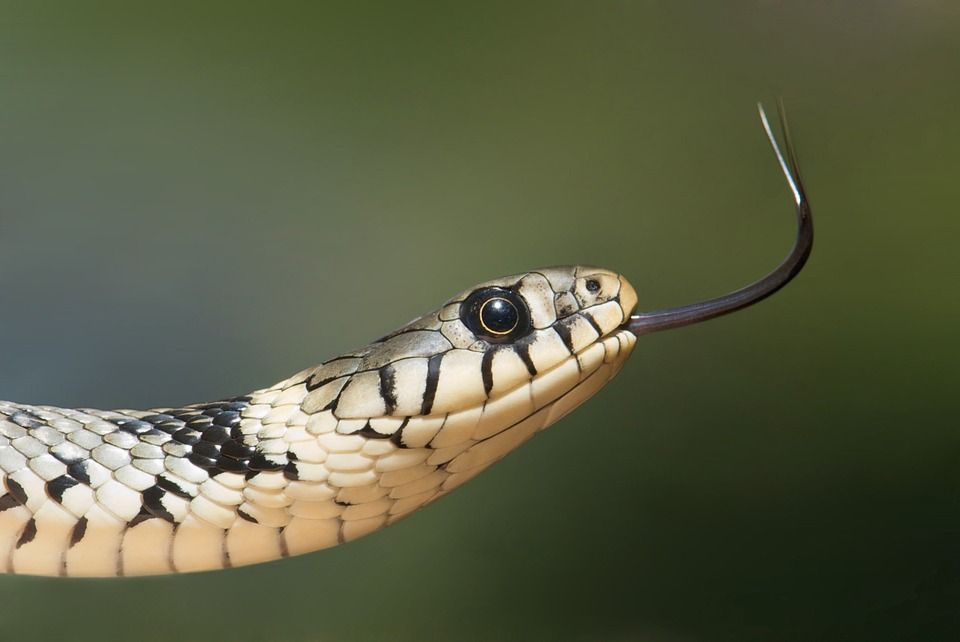
- Corn Snake – non-venomous, calm, and easy to handle.
- Crested Gecko – hardy, nocturnal, and requires minimal heating.
- Ball Python – gentle, manageable size, and easy to feed.
These reptiles are widely recognized as safe and suitable for household care. Their adaptability makes them excellent choices for first-time reptile owners.
Non-Venomous Reptiles to Keep as Pets
Safety is a primary concern when choosing a reptile. Fortunately, many species are completely harmless. Some of the most popular non-venomous domestic reptiles include geckos, bearded dragons, corn snakes, king snakes, and red-eared slider turtles. These reptiles pose no venomous threat to humans and are relatively easy to care for.
Non-venomous species also tend to be more manageable in terms of handling, making them popular with families and individuals alike. Choosing safe species ensures peace of mind while enjoying the beauty and uniqueness of reptilian companionship.
Is a Domesticated Reptiles a Good Pet for Children?
The idea of having a lizard as pet for children can be appealing due to their exotic look and relatively calm nature. Reptiles like leopard geckos, corn snakes, or bearded dragons are safe and educational, teaching kids responsibility and respect for animals.
However, reptiles are not as interactive as dogs or cats. They require careful handling, which younger children may struggle with. Parents should supervise interactions and educate children on proper care. Reptiles can be excellent pets for responsible older children, but they may not satisfy younger kids seeking playful companions.
10 Exotic Domesticated Reptiles to Keep at Home
For those interested in exotic reptiles, many species offer a unique and fascinating presence at home:
- Leopard Gecko
- Bearded Dragon
- Veiled Chameleon
- Ball Python
- Corn Snake
- Crested Gecko
- Uromastyx Lizard
- Red-Eared Slider Turtle
- Gargoyle Gecko
- Blue-Tongue Skink
These rare and exotic reptiles are admired for their striking appearance, manageable size, and adaptability to domestic life. With proper care, they can become extraordinary companions, showcasing the diversity and beauty of reptilian pets.
Reptiles may not be the first choice when considering pets, but their calm nature, unique appearance, and manageable care requirements make them increasingly popular. Whether choosing a domesticated reptiles, harmless non-venomous species, or truly rare lizards, they provide a fascinating and rewarding experience. The key lies in understanding their care, habitat, and dietary needs. For those willing to invest the effort, having a lizard as a pet can be a remarkable journey, adding diversity and wonder to everyday life.