
Keeping birds as pet at home is one of the most rewarding experiences for animal lovers. Birds are not only beautiful creatures with vibrant plumage but also companions that can sing, imitate sounds, and interact affectionately with their owners. From cheerful singer birds to intelligent mimic birds, these pets bring joy, life, and energy into households.
Many species of exotic birds are also available for families who want something unique and special. Understanding their care, diet, and behavior is essential for keeping them healthy and ensuring their companionship lasts for many years.
Ten Bird Species to Keep as Pets
Some of the most popular pet birds include:
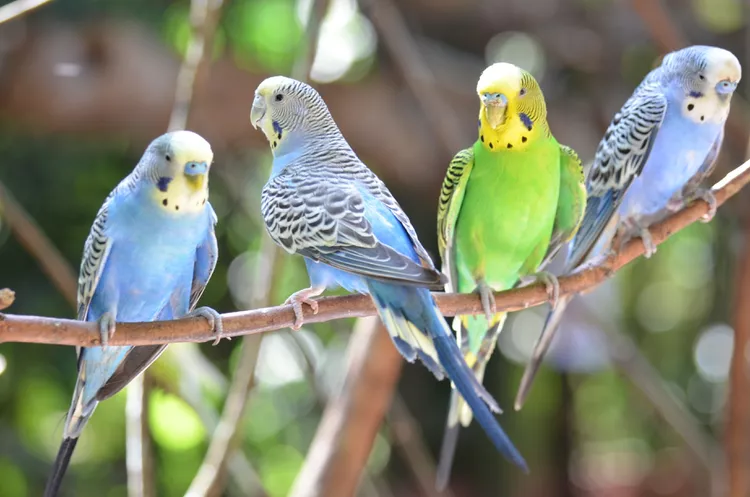
- Budgerigar (Budgie) – Small, colorful, friendly, and easy to train.
- Cockatiel – Affectionate, whistling singer bird with a gentle personality.
- African Grey Parrot – Famous mimic bird with advanced speech abilities.
- Canary – Classic singer bird, admired for melodious tunes.
- Lovebird – Social, affectionate, and thrives in pairs.
- Macaw – Large exotic bird with striking colors and strong personalities.
- Parrotlet – Tiny yet bold, full of energy and curiosity.
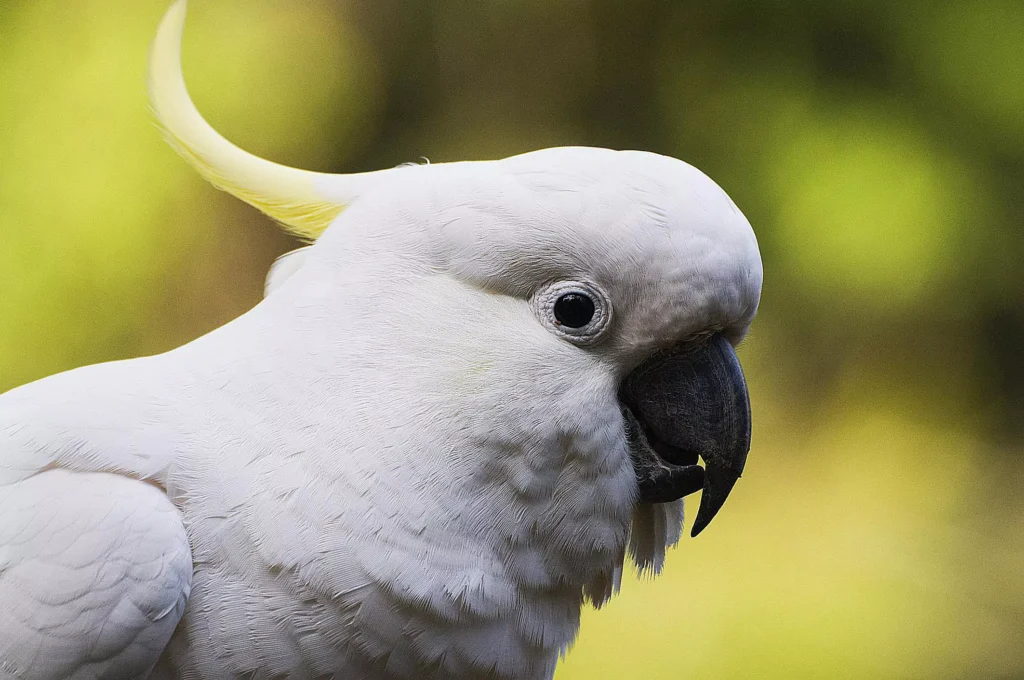
- Cockatoo – Intelligent, playful, and often cuddly.
- Finch – Active, small, and best kept in groups.
- Conure – Vibrant colors, playful behavior, and affectionate temperament.
Essential Treatments and Care for Birds as pet at Home
Caring for pet birds requires attention to diet, environment, and routine health checkups. Birds need clean cages, fresh water, and daily food supplies. Veterinary visits help monitor beak, feather, and claw health. Vaccinations and parasite control are sometimes necessary for certain exotic birds.
Environmental enrichment is also critical. Birds thrive with toys, mirrors, and perches that stimulate their intelligence and prevent boredom. Proper care ensures your feathered companions stay active and happy.
Recommended Grooming Routines for Birds
Unlike other pets, most birds groom themselves through preening. However, owners can support this by providing shallow water bowls for bathing or using a gentle mist spray. Nail trimming and beak monitoring are important, as overgrowth can occur in captivity.
Wing clipping is optional but sometimes used to prevent escape. Regular cage cleaning is essential to avoid bacterial growth and odors, ensuring a healthy living environment for birds as pet.
What Foods Should I Give My Bird?
A balanced diet is crucial. Seeds alone are not enough; birds also need pellets, fresh fruits, and vegetables. Leafy greens, apples, carrots, and berries make excellent additions.
Some species, like exotic birds, may require specialized diets including nuts or protein sources. Always avoid chocolate, caffeine, and avocado, which are toxic to birds. A varied diet enhances plumage brightness, energy levels, and longevity.
Advantages and Disadvantages of Having a Pet Bird
Advantages: Birds are small, low-cost compared to large pets, and many are interactive companions. They bring music, color, and joy to homes. Singer birds and mimic birds are especially entertaining.
Disadvantages: Some birds can be noisy, messy, or require social attention. Large parrots demand long-term commitment due to their extended lifespans. Owners must balance companionship with care responsibilities.
Types of Cages and Outdoor Habitats for Birds as Pet
Choosing the right cage is essential for pet birds. It should be spacious, with horizontal bars for climbing and multiple perches. Larger species like cockatoos or macaws require aviaries or large enclosures.
Outdoor aviaries are excellent for exercise but must be secure against predators and weather. Enrichment items like swings and ladders keep birds active and mentally stimulated.
How to Attract My Bird Back if It Flies Away?
If a bird escapes, stay calm. Place its cage outside with familiar food and toys. Call gently using familiar sounds or whistles.
Many mimic birds recognize their owner’s voice and may return when called. Flyers with the bird’s photo can also help neighbors assist in the search. Patience and familiarity often bring lost birds back safely.
Training Tips for Birds as Pet
Training birds requires consistency and positive reinforcement. Start with short sessions, using treats like sunflower seeds or fruit pieces as rewards. Teach basic commands such as “step up” onto your finger.
Parrots, cockatiels, and budgies respond well to speech training. Mimic birds can learn words and phrases, while singer birds can be encouraged to whistle tunes. Gentle repetition and bonding are the keys to success.
Average Prices of Exotic Birds
The cost of exotic birds varies greatly. Budgies and finches may cost $20–$50, while cockatiels range from $100–$250. African Greys and cockatoos can reach $1,000–$3,000, while macaws may exceed $5,000.
Prices depend on species rarity, breeding, and age. Prospective owners should also budget for cages, food, and veterinary care.
Five Mimic Birds to Keep at Home
Mimic birds are admired for their intelligence and speech abilities. The top five include:
- African Grey Parrot – Best for advanced speech.
- Budgerigar – Small but talented at mimicking sounds.
- Indian Ringneck Parakeet – Known for clear speech.
- Yellow-Crowned Amazon – Cheerful personality and strong mimicry.
- Cockatoo – Playful and talkative with proper training.
Types of Bird Songs at Home
Singer birds produce diverse vocalizations. Canaries are famous for melodious tunes, while finches create lively chirping choruses. Cockatiels whistle tunes, and conures produce high-pitched calls.
Birdsong not only entertains but also provides a soothing atmosphere. Owners often find the sounds therapeutic, adding tranquility to the home.
Average Longevity of Birds as Pet
Lifespan varies by species. Budgies live 5–10 years, canaries around 10 years, and cockatiels 15–20 years. Exotic birds like macaws and African Greys can live 40–60 years or more.
Understanding longevity helps families prepare for the commitment. Birds often become lifelong companions, providing decades of joy and companionship.
Keeping pet birds is an enriching experience that combines beauty, intelligence, and companionship. From cheerful singer birds to intelligent mimic birds and vibrant exotic birds, there’s a perfect species for every household. Proper care, nutrition, and interaction are essential for their well-being. With patience and dedication, these feathered companions bring music, color, and love into homes for many years.