
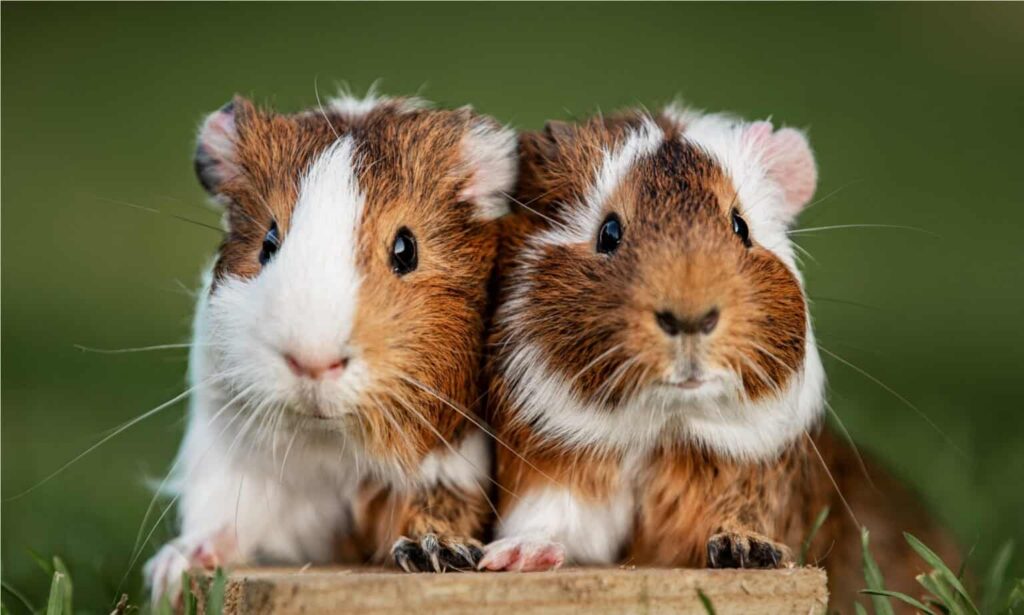
Choosing a small pet rodents for children can be a fantastic way to introduce responsibility, companionship, and fun into the home. Unlike larger pets, rodents are compact, relatively easy to care for, and can provide hours of entertainment. Many pet rodents are also gentle and interactive, making them suitable companions for younger family members.
Their social nature, combined with their low maintenance lifestyle, allows children to engage in safe and educational pet ownership. From hamsters to guinea pigs, these small mammal pets can be ideal additions to households looking for affectionate and manageable animal companions.
Ten Common and Social Rodents for Children
Some of the most popular social rodents that thrive as companions for kids include:
- Hamsters – Easy to care for, friendly, and small in size.
- Guinea Pigs – Gentle, affectionate, and love interaction.
- Gerbils – Social, active, and entertaining to watch.
- Mice – Curious, small, and adaptable.
- Rats – Intelligent, affectionate, and highly trainable.
- Chinchillas – Soft, playful, and long-lived.
- Degus – Very social rodents that enjoy living in groups.
- Fancy Rats – Varieties bred specifically for friendly temperaments.
- African Pygmy Dormice – Tiny, agile, and fascinating to observe.
- Prairie Dogs – Larger but extremely social and engaging.
These pet rodents are known for being interactive and well-suited for family environments.
Essential Treatments and Care for Pet Rodents at Home
Proper care ensures that pet rodents remain healthy and active. Clean cages regularly to prevent odors and bacteria buildup. Provide bedding materials such as paper or aspen shavings for comfort. Access to fresh water and a consistent food source is critical.
Routine observation helps identify health issues early. Look out for changes in eating habits, fur quality, or activity levels. Rodents should be kept away from extreme temperatures and direct sunlight to avoid stress. Consistent care routines help create a safe and happy environment for these small mammal pets.
Grooming and Feeding Routines for Pet Rodents
Most rodents are low maintenance when it comes to grooming. Hamsters, mice, and rats groom themselves frequently and rarely need bathing. Chinchillas, however, require dust baths to keep their fur clean.
Feeding routines should be consistent, providing high-quality rodent pellets along with fresh fruits and vegetables. Avoid sudden dietary changes, as rodents have sensitive digestive systems. Establishing routines helps children develop responsibility and provides structure for both owner and pet.
What Foods Should I Give My Rodent?
Rodents thrive on a balanced diet of pellets, grains, vegetables, and occasional fruits. Safe foods include carrots, broccoli, apples, and cucumbers.
Protein can also be included in moderation through boiled eggs or small amounts of cooked chicken for rats. Always provide clean water. Understanding diet ensures that pet rodents remain healthy and active throughout their lives.
How to Entertain My Rodent if They Are Mostly Nocturnal?
Many small mammal pets are naturally more active at night. However, owners can still provide enrichment during the day. Toys, tunnels, climbing structures, and exercise wheels allow for physical activity.
Rodents like gerbils and rats enjoy puzzle feeders that stimulate their intelligence. Evening playtime sessions fit naturally with their nocturnal behavior, giving children the chance to bond after school hours.
Types of Cages and Tunnels for Pet Rodents
The right housing is essential for pet rodents. Wire cages with plastic bases are easy to clean and provide ventilation. Glass aquariums can also be used for smaller species like hamsters, provided they are properly ventilated.
Tunnels, climbing tubes, and multi-level habitats add enrichment and mimic natural burrowing behavior. Larger species like guinea pigs require spacious enclosures with soft
Common Hiding Places for Rodents
Rodents love to hide and feel safe in enclosed spaces. Popular hiding places include small wooden houses, tunnels, cardboard boxes, and even burrows made in bedding.
These spots help reduce stress and allow rodents to exhibit natural behaviors. Providing multiple hiding areas keeps them comfortable and encourages activity.
How Often Should I Take My Rodent to the Veterinarian?
Although they are considered low maintenance, rodents still require occasional veterinary care. Annual checkups are recommended to monitor dental health, weight, and signs of illness.
Seek immediate care if you notice lethargy, loss of appetite, or changes in fur quality. Preventive veterinary visits extend the life expectancy of pet rodents and ensure a higher quality of life.
Advantages and Disadvantages of Having a Rodent as a Pet
Advantages of keeping pet rodents include their small size, affordability, and relatively low maintenance care. They are also entertaining, intelligent, and suitable for smaller living spaces.
Disadvantages include short lifespans for certain species, such as hamsters, and the need for frequent cage cleaning. Some species may not tolerate excessive handling, which can disappoint children expecting constant interaction.
Which Foods Can Be Poisonous for My Rodent?
Certain foods are toxic to small mammal pets. Avoid chocolate, onions, garlic, citrus fruits, and raw beans, as these can cause severe health issues.
Sugary treats and processed foods should also be avoided. Sticking to a balanced, species-appropriate diet helps prevent poisoning and keeps rodents thriving.
Rodents with the Best Temperaments for the Home
When considering social rodents, rats and guinea pigs stand out for their gentle nature and friendliness. Gerbils are also active and social in pairs or groups.
Hamsters, though popular, can be more territorial and are better suited for older children. Choosing rodents with stable temperaments ensures positive interactions and lasting companionship.
Average Longevity of Domesticated Pet Rodents
The lifespan of pet rodents varies by species. Hamsters live around 2–3 years, while gerbils average 3–4 years. Guinea pigs live 5–7 years, and chinchillas may reach 10–15 years with proper care.
Understanding longevity helps families prepare for the level of commitment required. Longer-lived rodents may require more extensive planning but provide extended companionship.
For families looking for small mammal pets, choosing a small rodents pet offers both joy and educational opportunities. These animals are often social rodents with manageable care routines, making them excellent for children. From their entertaining behaviors to their affectionate temperaments, pet rodents prove that even the tiniest animals can make a big impact in the home. With proper care, nutrition, and enrichment, rodents can thrive as loyal companions while teaching responsibility and empathy to younger owners.