
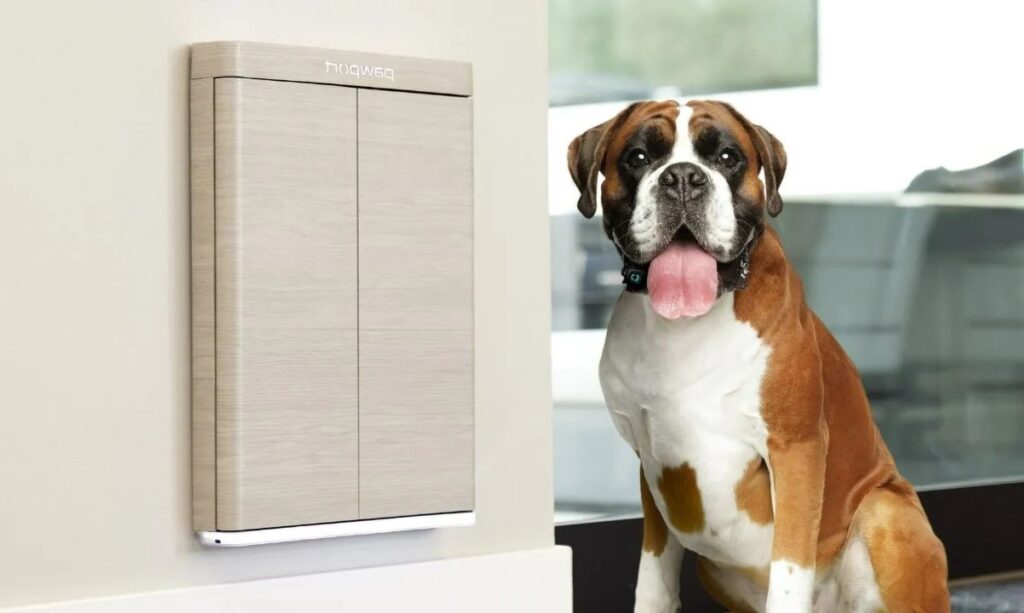
In modern homes, pets are part of the family, and they deserve safe and convenient ways to move freely inside the house. Indoor doors and accesses for pets are practical solutions that allow cats, dogs, and even small rodents to pass from one room to another without the constant need for human assistance.
These systems help pets feel independent, reduce stress, and provide owners with more flexibility. Whether it’s a flap door, tunnel access, or even an electronic solution, indoor doors for pets are now designed to fit every size and lifestyle, improving comfort for both animals and humans.
Advantages and Disadvantages of Indoor Doors and Accesses for Pets
Installing indoor accesses offers clear advantages: pets can move freely, exercise more, and feel less confined. Owners also benefit from fewer scratches on main doors or walls, since pets have their own designated entry points.
However, there are some disadvantages. Pets may access restricted areas, such as kitchens or bedrooms, without supervision. Some doors may also cause drafts or require installation that modifies furniture or walls. Despite this, accesses for pets remain a highly effective solution for most households.
Types of Indoor Doors and Accesses for Pets
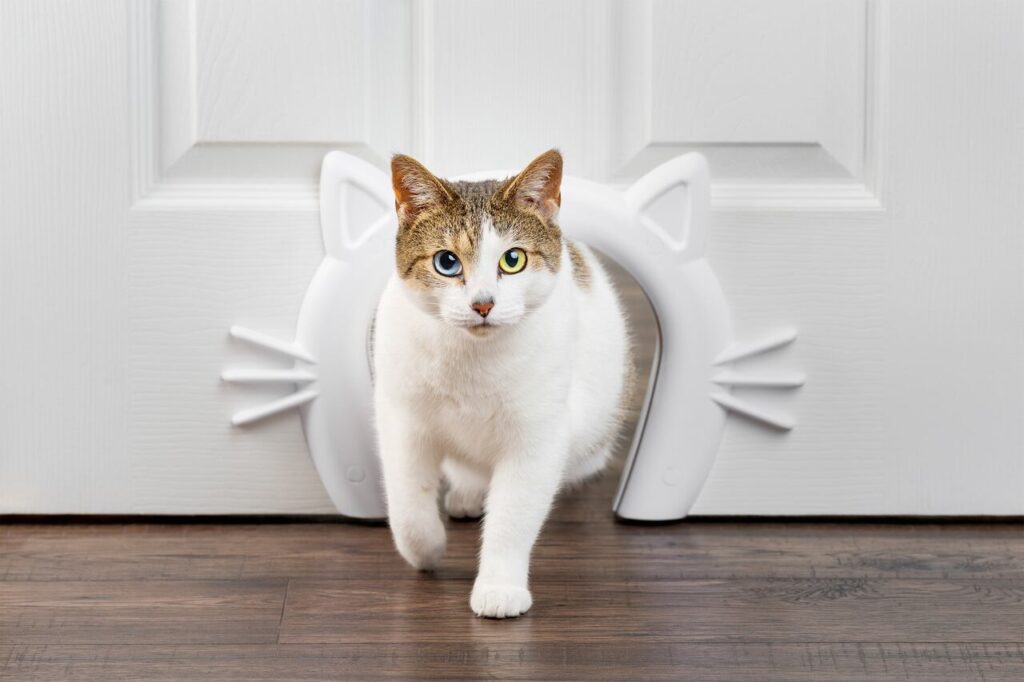
There are various indoor doors that adapt to different needs:
- Flap doors: Lightweight and ideal for cats and small dogs.
- Sliding panel inserts: Perfect for larger animals and easy to install.
- Tunnels for rodents: Small, safe, and often transparent to supervise movements.
- Magnetic doors: Allow only pets wearing a specific collar to enter.
- Electronic doors: A modern option for selective access.
These indoor accesses combine practicality with safety, ensuring pets only reach designated areas of the house.
What Is the Ideal Size for These Doors?
The ideal size depends on the pet. For indoor doors for pets, cats typically need smaller openings of about 15 x 20 cm, while small dogs may require 20 x 30 cm. Large breeds, on the other hand, may need reinforced doors of at least 30 x 40 cm.
Rodents such as hamsters or guinea pigs usually need smaller tunnels or access doors of just a few centimeters, designed with safety in mind to prevent escapes. Choosing the right size ensures comfort, safety, and durability.
How Do Indoor Doors for Pets Differ?
Not all indoor doors for pets are the same. Some are simple flaps, while others are sophisticated systems integrated with smart homes. The main differences include:
- Material: Plastic, aluminum, or reinforced glass.
- Mechanism: Manual flap vs. electronic lock.
- Security: Anti-draft seals, selective access, or smart ID systems.
- Purpose: Cats and dogs often use flaps, while rodents use tunnels or small hatches.
These variations ensure that every family can find the perfect solution for their pet’s lifestyle.
Do Automated indoor Doors and Accesses with Sensors or Timers Exist?
Yes, modern technology has introduced automated indoor accesses for pets. These doors work with motion sensors, microchips, or programmed timers, giving owners full control over when pets can enter or leave specific rooms.
Such systems are especially useful for preventing nighttime disruptions, keeping cats out of bedrooms, or allowing dogs to access playrooms during set hours. These solutions combine automation with convenience, making daily pet care much easier.
What If My Pet Is Bigger Than the Indoor Doors and Accesses?
If your pet outgrows the indoor doors for pets, you have several options. You can upgrade to a larger model, install a sliding panel door, or even consider a custom-made access system.
For rodents or small mammals, tunnels can be expanded with modular accessories. For large dogs, reinforced doors or even adjustable-height sliding systems are often the best alternatives. Always prioritize safety and comfort when resizing.
What If an Automated Door Blocks While I’m Away?
One of the risks of automated indoor accesses for pets is the possibility of a malfunction. If the door blocks, your pet may be stuck inside a room or unable to access food or water.
To prevent this, it’s recommended to:
- Choose systems with manual override options.
- Use devices with mobile alerts in case of errors.
- Install backup access points, like a secondary flap or tunnel.
Modern smart doors often include safety features to prevent complete lockouts, ensuring pets are never at risk.
Indoor Doors and accesses for pets have evolved from simple flaps to highly sophisticated automated systems. Whether you have a playful cat, a loyal dog, or a curious rodent, indoor doors give them freedom while offering owners peace of mind. From basic flap models to automated indoor doors and accesses for pets, the market now provides endless solutions for every type of household.
By choosing the right system, you’ll improve your pet’s independence, maintain a cleaner home, and enjoy a more comfortable coexistence with your furry or small companions.