

Many people worldwide discover that having a cat as a pet provides comfort, companionship, and stress relief. Cats are not only affectionate but also excellent at creating a peaceful environment. Their soothing purrs, playful curiosity, and ability to adapt to home life make them ideal companions for individuals seeking calm and emotional balance.
Owning a cat as a pet can significantly reduce anxiety, improve mood, and bring joy to everyday routines. However, being a responsible cat owner also requires commitment, understanding of feline behavior, and proper care. Let’s explore the benefits, challenges, and essential tips for raising a healthy, happy cat.
Advantages and Disadvantages of Having a Cat as a Pet
Owning a cat offers countless emotional and practical advantages. Cats are low-maintenance compared to dogs, requiring less space and exercise. They are affectionate yet independent, making them ideal for people with busy schedules or those living in apartments. Their playful yet calm nature makes them perfect stress relievers, especially for individuals coping with anxiety.
However, cats also come with certain challenges. Their independence can sometimes feel like aloofness, which might disappoint owners seeking constant affection. Some cats may scratch furniture, shed fur, or bring in allergens, which can be inconvenient. Additionally, they need proper veterinary care, regular grooming, and daily attention to stay healthy.
In short, cats are wonderful companions, but future owners must balance their expectations, knowing that while they provide emotional comfort, they also demand responsibility and patience.
Essential Care for a Domesticated Cat
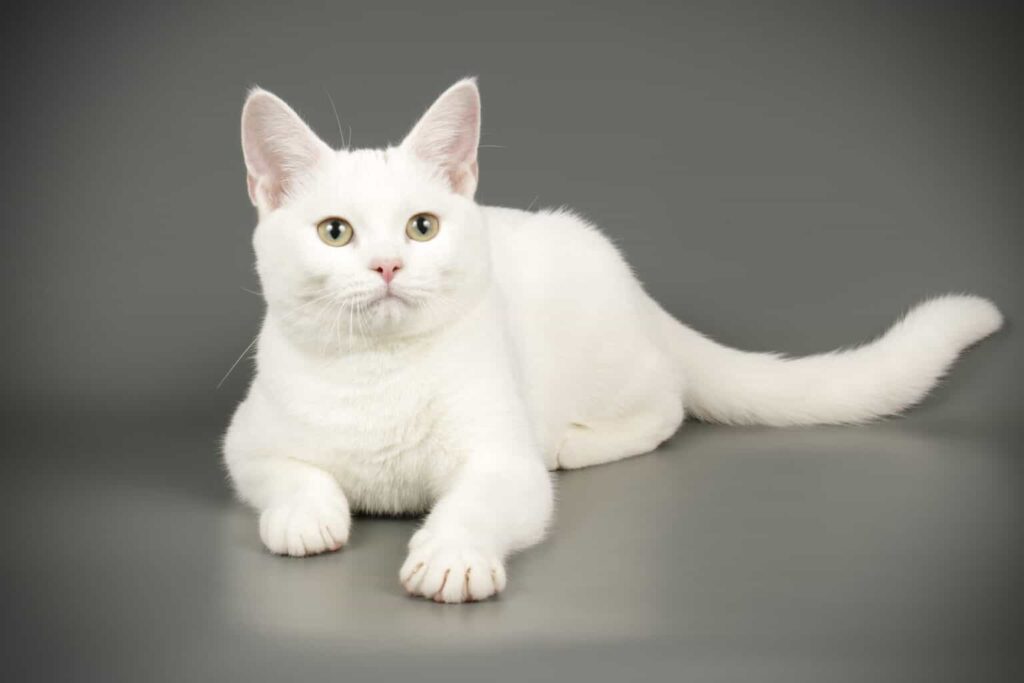
Taking care of a domesticated cat requires meeting its physical, emotional, and environmental needs. The basics include providing a clean litter box, fresh water, and a safe, comfortable living space. Cats thrive in stable environments where they feel secure. Offering scratching posts and toys helps prevent destructive behaviors while keeping them entertained and active.
Regular grooming, even for short-haired breeds, helps reduce shedding and hairballs. Brushing not only maintains coat health but also strengthens the bond between owner and pet. Veterinary checkups, vaccinations, and parasite prevention are equally important to ensure long-term health.
Moreover, mental stimulation is essential. Cats enjoy hiding spots, climbing structures, and interactive play. These activities mimic their natural hunting instincts, reducing stress and anxiety. By providing consistent care, owners can ensure their cats remain happy, healthy, and deeply connected to the household.
Tips for Feeding Cats
Nutrition plays a vital role in keeping cats healthy. A balanced diet rich in proteins, essential fatty acids, and vitamins is key. Commercial cat foods, whether dry or wet, are formulated to provide complete nutrition. Many veterinarians recommend mixing both to maintain hydration and dental health.
Fresh water should always be available, as cats are prone to kidney and urinary problems. Water fountains are a great option, as running water encourages cats to drink more.
It is also important to control portion sizes. Overfeeding can lead to obesity, which is linked to diabetes and joint problems. Feeding schedules should be consistent, usually two to three small meals per day. Avoid giving cats human foods such as onions, chocolate, or dairy, as these can be toxic.
By prioritizing proper feeding habits, owners support their cats’ long-term health, ensuring they stay active, fit, and full of energy.
Normal Behaviors of a Cat as a pet at Home
Understanding feline behavior helps owners build stronger connections with their cats. Normal cat behaviors include scratching surfaces, grooming themselves, kneading, and purring. Scratching is not a sign of misbehavior—it’s a natural way for cats to sharpen claws, mark territory, and stretch muscles. Providing scratching posts can redirect this instinct away from furniture.
Cats are also known for grooming themselves several times a day, which is part of their natural hygiene. Kneading, often on soft surfaces or their owner’s lap, is a comforting action linked to kittenhood. Purring is another common behavior, typically signaling contentment, though it may also occur when a cat is anxious or unwell.
Owners should also expect bursts of playful energy, known as “zoomies,” especially in younger cats. Recognizing these normal behaviors allows owners to respond appropriately, creating a harmonious and stress-free living environment.
How to Train a Cat at Home
Contrary to common belief, cats can be trained effectively with patience and consistency. Positive reinforcement is key—rewarding desired behaviors with treats, toys, or affection encourages repetition. For example, litter training is usually instinctive but can be reinforced by placing the cat in the litter box after meals or naps.
Training cats to use scratching posts instead of furniture involves guiding them toward acceptable surfaces and rewarding compliance. Clicker training, often used for dogs, also works for cats to teach simple commands like “sit” or “come.”
It’s essential to avoid punishment, as it creates fear and stress, damaging trust between cat and owner. Instead, redirect unwanted behaviors and reinforce positive ones.
By investing time in gentle training, owners not only encourage good manners but also strengthen their emotional bond with their cat. This contributes to a calm, happy, and cooperative household.
Healthy Tips for My Cat as a pet– How to Know if They Are Well
A healthy cat as a pet is usually active, alert, and engaged with its environment. Owners should monitor signs such as shiny fur, bright eyes, and consistent appetite. Regular play and curiosity are positive indicators of well-being.
However, changes in behavior can signal health issues. Lethargy, loss of appetite, excessive hiding, or sudden aggression may require veterinary attention. Regular dental care, parasite prevention, and vaccinations are essential for long-term health. Monitoring litter box habits is equally important, as changes in urination or stool can indicate medical problems.
To support overall health, provide a balanced diet, plenty of clean water, and mental stimulation. Routine checkups with a veterinarian ensure early detection of illnesses, preventing complications.
By observing their cat daily and investing in preventive care, owners can ensure their feline companion enjoys a long, healthy, and anxiety-free life.
Deciding to have a cat as a pet is a life-changing choice for many individuals. Beyond companionship, cats offer comfort, emotional stability, and stress relief, making them powerful allies against anxiety. By understanding their needs, providing proper care, and respecting their unique behaviors, owners can ensure their cat remains a source of joy and calm for years to come.